Brightline Trains
Streamlining a Complex Booking Flow into an Intuitive, High-Confidence Experience
We successfully streamlined the ticket booking process by leveraging user insights over a six-month research and design overhaul.
Duration: 6 months
Methods:
Usability testing (moderated + unmoderated), card sorting, baseline evaluation, iterative prototyping
Scope:
End-to-end ticket booking experience (mobile + desktop)
Over six months, I led a series of research initiatives to improve the ticket booking experience on the Brightline website. By combining foundational research with rapid, iterative testing, we identified key friction points and continuously refined the experience—resulting in a more intuitive, efficient, and user-friendly booking flow.
Problem & Context:
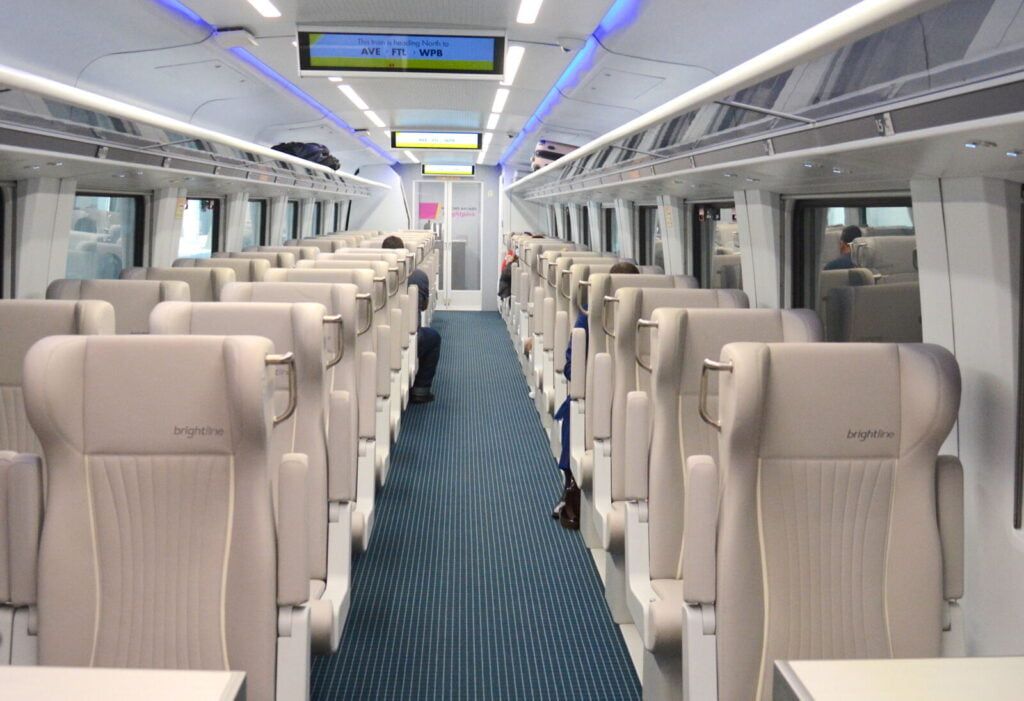
Brightline offers a modern rail service, but the digital booking experience did not match the simplicity and ease users expected.
Key challenges included:
- A complex, multi-step booking flow
- Confusing information architecture and navigation
- Friction points that increased time and effort to complete bookings
- Inconsistencies across mobile and desktop experiences
This led to a clear need: simplify the experience and reduce friction in a high-intent, conversion-critical flow.
Goals:
- Streamline the end-to-end ticket booking process
- Reduce user friction and decision fatigue
- Improve information architecture and navigation clarity
- Ensure a consistent experience across devices
- Enable faster, more confident booking decisions
My Role:
- Led research planning, execution, and synthesis across multiple initiatives
- Partnered closely with design, analytics, and SEO teams
- Conducted both foundational and evaluative research
- Translated insights into actionable recommendations that directly informed design iterations
- Supported a continuous feedback loop between research and design
By integrating user insights into every step of the design process, we were able to create a streamlined, intuitive, and enjoyable booking experience for Brightline's customers.
Individual Activities
Baseline Study (Understanding the Problem)
Approach:
- Conducted a comprehensive evaluation of the existing booking experience
- Identified usability issues, friction points, and breakdowns in user flow
Key Insight Themes:
- Users experienced uncertainty at key decision points
- Navigation and flow structure created unnecessary cognitive load
- Important information was not surfaced at the right time
Impact:
- Established a clear foundation of user pain points
- Informed priorities for redesign and testing
Information Architecture Optimization (Card Sorting)
Approach:
- Conducted card sorting exercises to understand how users grouped and accessed information
- Used findings to restructure site navigation and content hierarchy
Key Insight Themes:
- Users expected a more logical, task-oriented grouping of information
- Existing structure did not align with mental models for booking travel
Impact:
- Improved findability and navigation clarity
- Reduced friction early in the booking journey
Iterative Rapid Testing (Refining the Solution)
Approach:
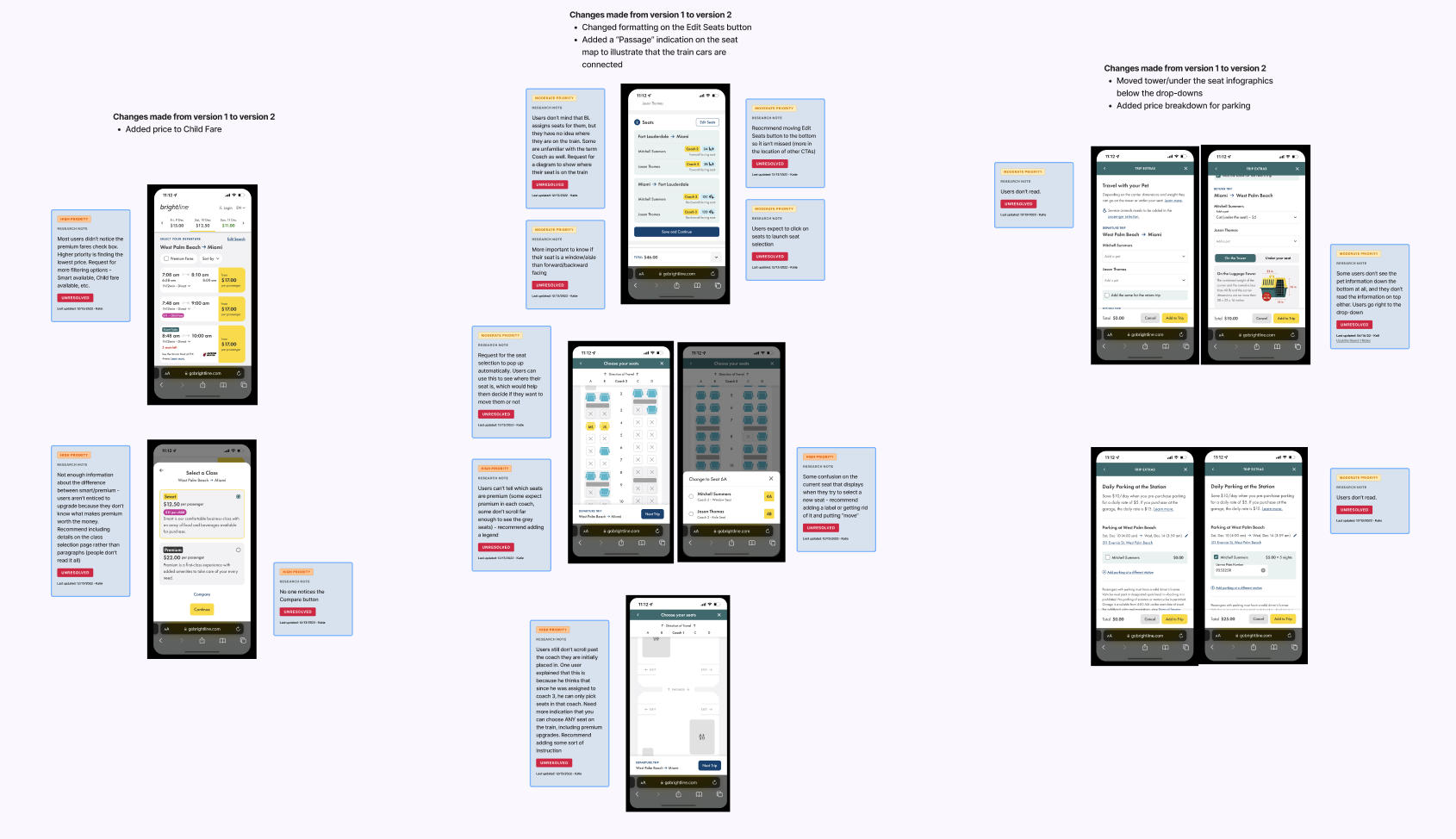
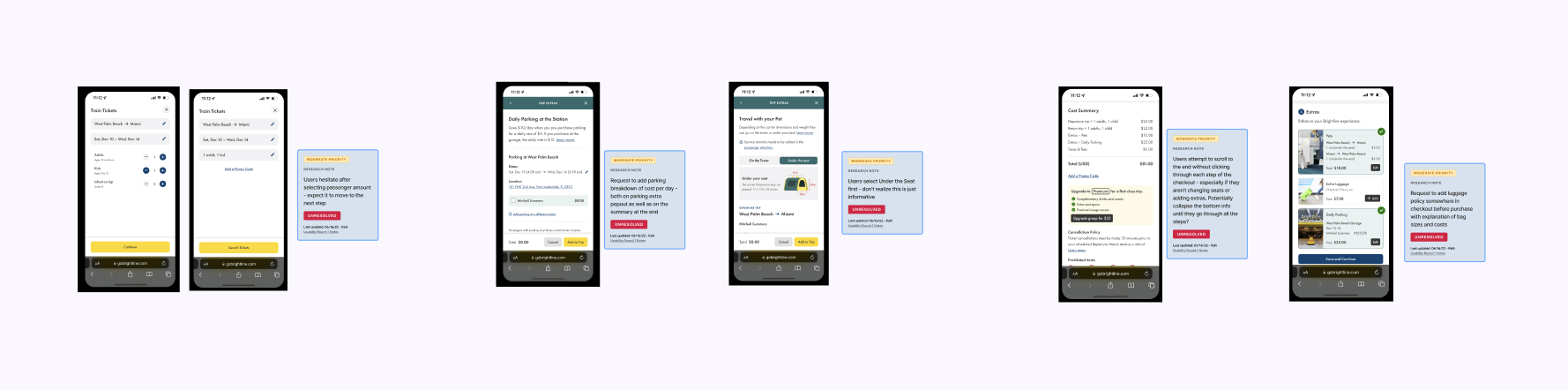
- Conducted moderated and unmoderated usability testing on evolving prototypes
- Tested across mobile and desktop experiences
- Used rapid feedback cycles to continuously refine the design
Key Insight Themes:
- Streamlined flows significantly reduced time and effort to complete tasks
- Clearer structure increased user confidence during booking
- Small interaction changes had outsized impact on usability
Impact:
- Enabled a highly user-informed design evolution
- Ensured design decisions were validated early and often